How Exterior Light Changes Your Paint Color (And How to Avoid a Surprise)
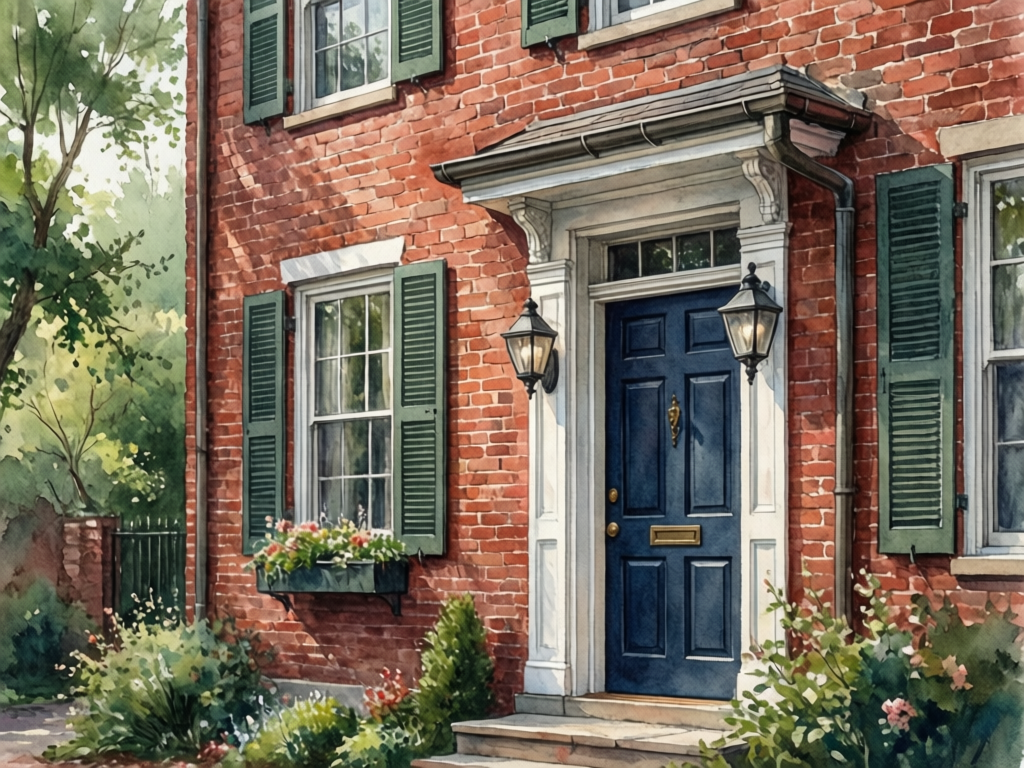
You pick “the perfect” exterior color, the painters start, and suddenly your soft gray looks blue or your creamy white looks stark. It’s not that you chose a terrible color—it’s that exterior light is doing what it always does: changing how that color reads on your home.
Why exterior colors always look different outside
Exterior light is nothing like the controlled light in a paint store or on your phone screen.
Outside, sunlight is much brighter and harsher, so colors usually look lighter and less saturated than they do on the chip.
Your paint is hit from multiple angles—sky, ground, nearby houses, greenery—so hidden undertones suddenly jump out.
On many homes, the same color looks totally different on the sunny side, the shady side, and under a porch overhang.
How the direction your home faces changes color
Every side of your house tells a different story because of its exposure. A quick guide:
North‑facing: Cooler, grayer light most of the day. Colors are more muted; cool colors can look extra cold. Warm neutrals often help here.
South‑facing: Strong, consistent light. Colors read lighter and warmer, and subtle yellow or beige undertones show more.
East‑facing: Soft morning light, flatter later in the day. Colors look lighter and warmer early, then cooler and duller by afternoon.
West‑facing: Fairly flat in the morning, then very warm and golden late afternoon. Colors can look richer, warmer, and sometimes a bit “glowy” in the evening.
Why sheen (finish) changes how your color looks
Higher sheens (satin, semi‑gloss, gloss) reflect more light, so the colour can appear lighter and more intense, and every bump or patch is more noticeable.
Lower sheens (flat, some mattes/eggshells) absorb more light, so colors read softer and more forgiving, especially on older siding.
On most homes, I like a soft sheen (often an eggshell or satin, depending on the product)
A simple way to test exterior colors the right way
Here’s the basic process I walk clients through so they don’t end up shocked on painting day.
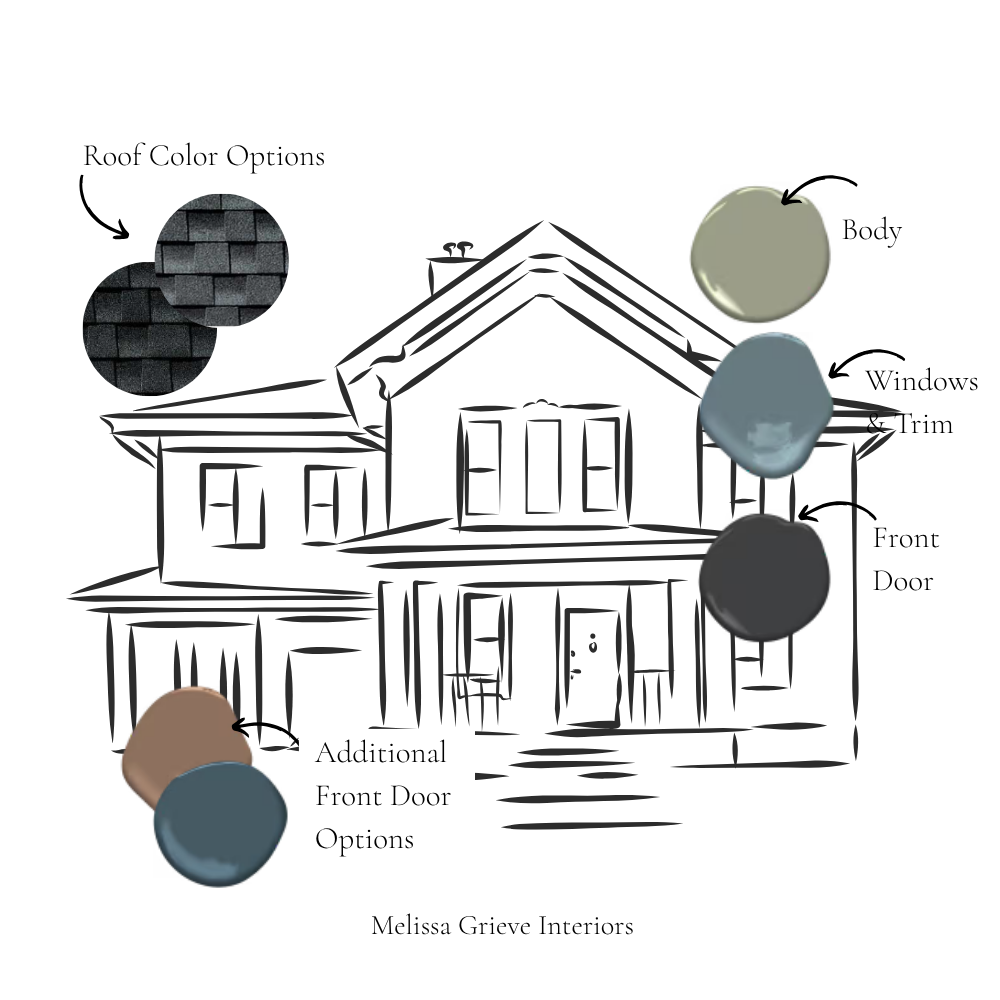
Pick 3–5 colours that actually work with your roof, brick or stone, and windows. You can check out this blog post with some classic color combinations to get you started.
Order peel-and-stick samples or paint large boards
View samples on the sunniest and shadiest sides of your home
View samples morning, mid-day and evening
View from across the street
Compare against the roof, stone, brick and existing trim